
Home / Budget for the purchase, then the parcel
Budget for the purchase, then the parcel
Understand the two payments, funding and currency, warehouse decisions, international shipping and what to check at receipt.
The product price is one part of the cost
Start with goods and domestic delivery to the warehouse. Add the funding cost actually shown by the payment method and allow for international freight. After the items arrive, replace the allowance with a quote for the contents and packing you intend to send.
A hypothetical 280 CNY goods bill plus 15 CNY domestic delivery gives a 295 CNY first subtotal. If the later freight were 170 CNY, that would be 465 CNY before funding, chosen services and destination charges. The numbers explain the arithmetic; they are not live prices.
The declaration handling fee and tax are different. An operator fee for preparing paperwork does not settle customs duty or VAT. Value, fees and receipts.
Compare debit, credit and display currency
The amount your bank debits, the currency credited to the account and the currency displayed next to goods can differ. Compare the transaction fee and exchange conversion before funding. A shipping estimator’s historical CNY-to-USD ratio is not automatically the required rate for a customs declaration.
For declaration fields, follow the current form and destination requirements, retain the original receipt currency and ask the agent or carrier which conversion applies. A shipping coupon changes that service bill; it does not rewrite what you paid for the goods.
Use QC to settle the item decision first
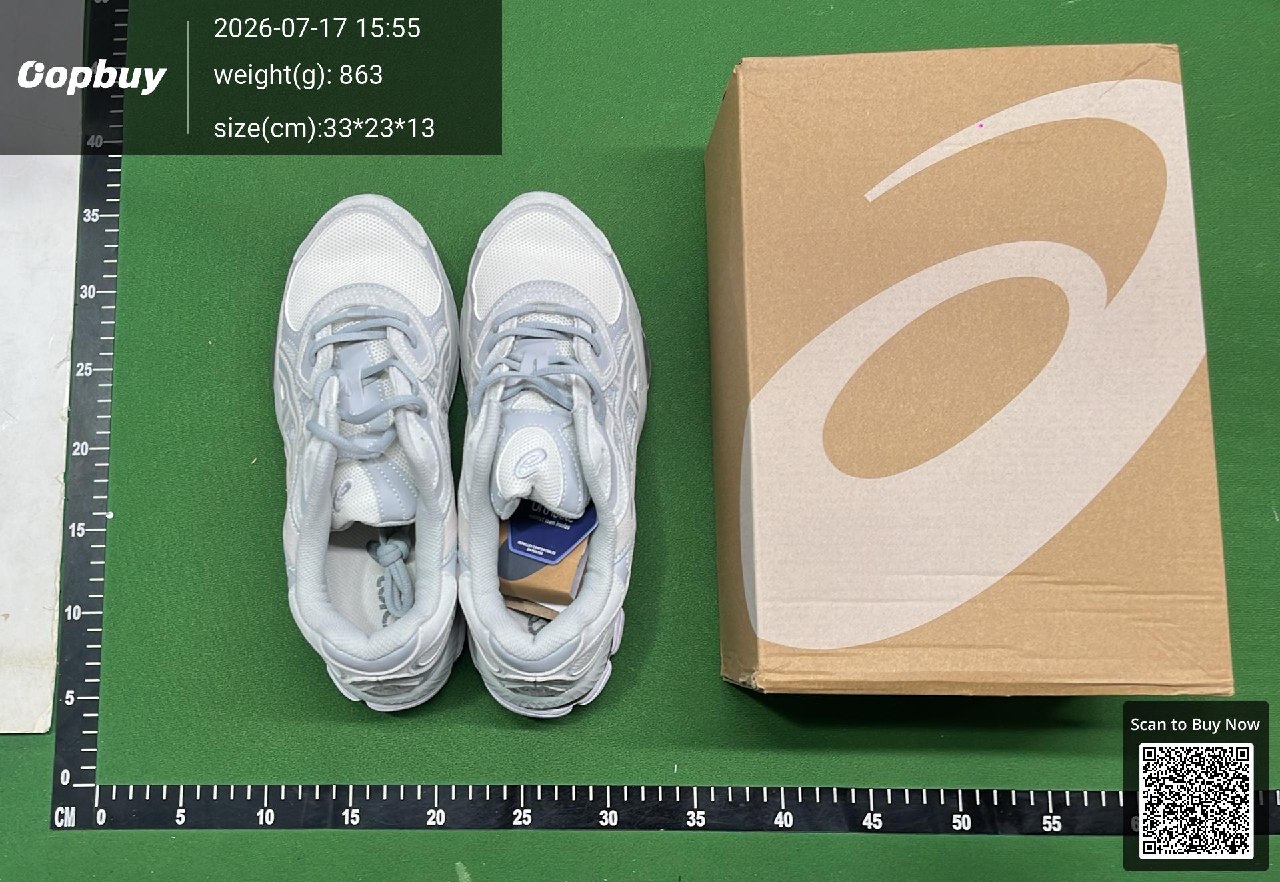
Do not create a parcel merely because all goods have appeared in the warehouse. Compare the selected version, count and size label. If fit matters, request the named measurement while an eligible return is still possible. Keep tags and packaging when a return may be needed.
Normal storage, unmatched parcels and seller returns have different conditions and dates. Confirm the actual account deadline; paid storage does not extend a seller return window automatically.
Choose packing and route as one decision
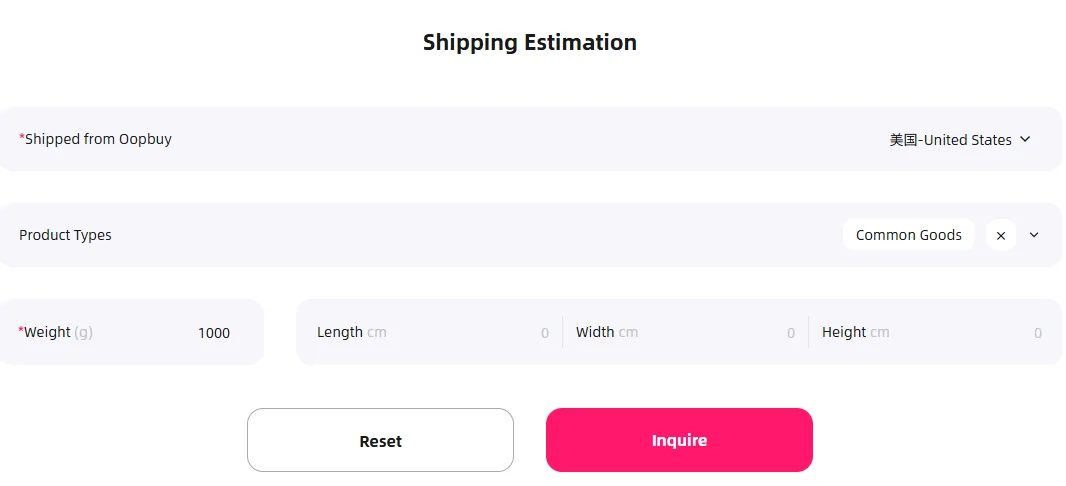
Compare destination coverage, contents restrictions, weight limits, outer dimensions, service features and the full charge. A battery, liquid or oversize item can change which lines accept the entire parcel. The cheapest line displayed for ordinary goods may not accept your chosen goods.
On a route using volumetric billing, a light large box can cost more than its scale weight suggests. Ask what divisor and rounding the line uses. Removing a box can reduce volume but lose protection; keep required packaging where it serves the item or a possible return.
Compare consolidation and separate parcels using complete quotes. More parcels can repeat first-weight or handling charges. Neither splitting nor a route marketing label guarantees a customs outcome.
Track the parcel and preserve evidence at receipt
- Keep the chosen line, estimate, packing options and final measurements.
- Look for pickup and movement scans; a created label alone does not establish dispatch.
- Confirm a request for payment or documents through the carrier’s verified tracking/support route.
- Inspect the carton and contents promptly. Keep labels and packaging while documenting a discrepancy.
- Use the relevant parcel conversation with evidence and the actual service’s claim conditions.
A quoted delivery range is an estimate. This guide does not operate the carrier or extend a claim window. See the official packing and tracking stages.